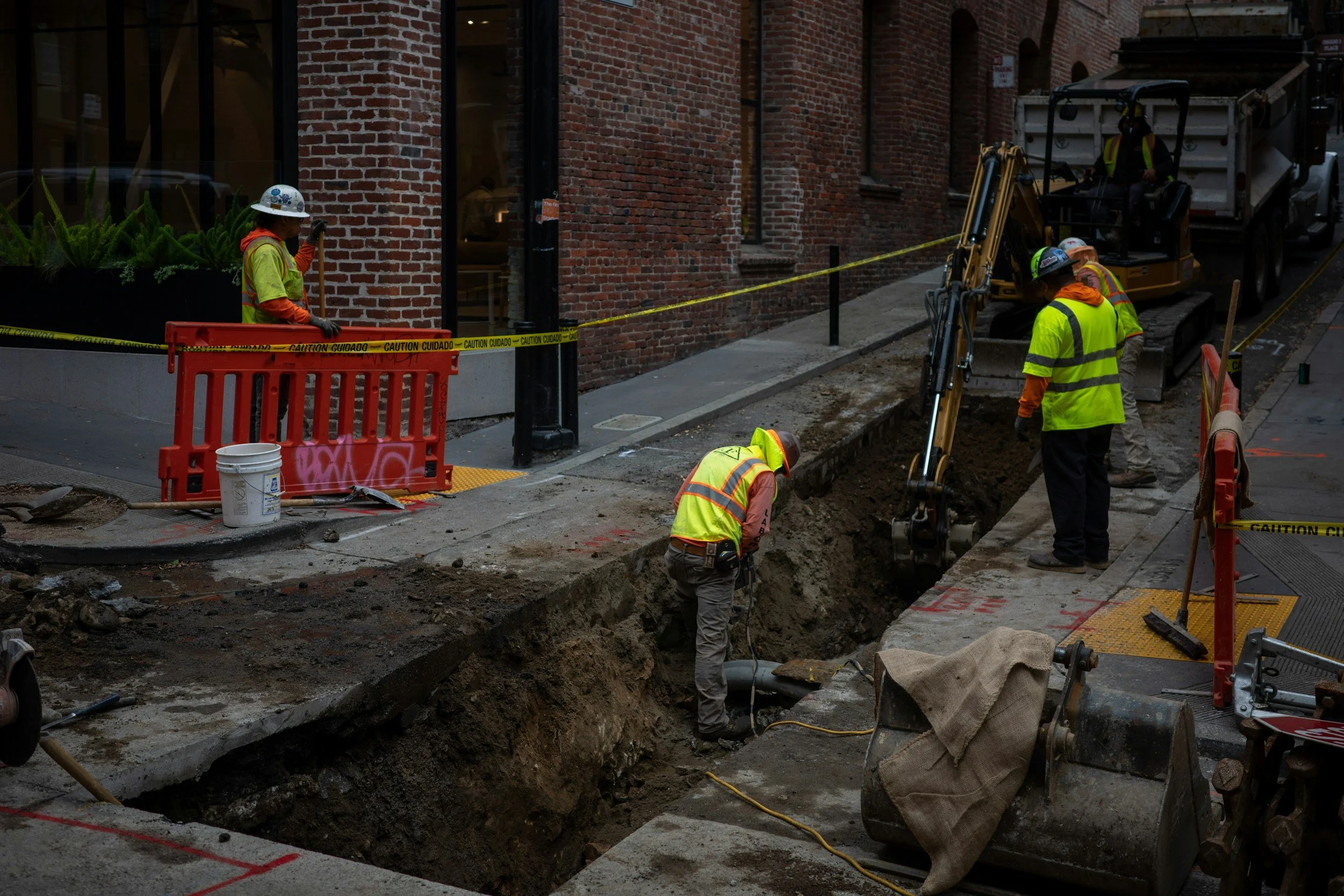
Becoming a Utilities Operative
The Role
A utilities operative is typically the entry-level role within the industry and forms the backbone of most on-site work. Operatives are responsible for supporting the installation, repair and maintenance of essential infrastructure such as water, gas, electricity and telecoms networks.
The role often involves tasks like excavation, pipe laying, duct installation, reinstatement and assisting machine operators or skilled workers on site. Utilities operatives usually work as part of a small crew and play an important role in keeping projects running safely and efficiently.
Many people begin their careers in utilities as an operative and gain experience, tickets and additional responsibilities over time. With the right training and experience, operatives can progress into roles such as skilled operative, team leader, supervisor or project management positions within the industry.
Qualifications & Tickets
Water Qualifications & Tickets
NRSWA Streetworks Operative – Allows you to legally work on roads and highways
EUSR Water Hygiene (Blue Card) – Required when working on clean water networks
Excavator / Dumper tickets (CPCS or NPORS) – For operating plant machinery
Manual Handling & Health and Safety training
Gas Qualifications & Tickets
NRSWA Streetworks Operative
EUSR SHEA Gas
Gas Network safety training
Plant tickets (CPCS / NPORS) for excavators or machinery
Electricity Qualifications & Tickets
NRSWA Streetworks Operative
EUSR SHEA Power
Cable avoidance training (CAT & Genny)
Plant operator tickets (CPCS / NPORS)
Starting Out
In most cases, you don’t need to have all of these qualifications before entering the industry. Many utilities companies and contractors will put new starters through the necessary training and tickets as part of the job, allowing you to build skills and certifications while gaining experience on site.